
Georgia has implemented stringent Spam Call laws, requiring prior consent for automated calls, oversight by the Georgia Public Service Commission (PSC), and transparency. Residents can register on the National Do Not Call Registry and seek help from Spam Call law firms in Georgia. These measures have reduced spam calls by 34%. Consumers should report unwanted calls to the PSC, document incidents, and use blocking tools or legal guidance for comprehensive protection. Telecommunications law specialists and the PSC actively enforce regulations, deterring robocallers with consequences.
In today’s digital era, the relentless surge of unwanted robocalls has become a pervasive nuisance, impacting millions worldwide. Georgia residents are not immune to this issue, with spam call law firms exploiting loopholes and invading personal privacy. To combat this growing problem, we delve into effective tools and strategies that empower Georgians to reclaim control over their phone lines. This article serves as a comprehensive guide, offering practical solutions to identify, block, and manage robocalls, in alignment with Georgia’s evolving Spam Call laws, ensuring a quieter and more secure communication environment for all.
Understanding Georgia's Spam Call Laws and Protections

Georgia has established comprehensive Spam Call laws to protect residents from unwanted telemarketing calls, also known as robocalls. These regulations are designed to give Georgians control over their communication privacy, ensuring that automated calls are only initiated with explicit consent. The Georgia Public Service Commission (PSC) oversees these rules, which include specific provisions for call tracking and blocking technologies. One key aspect is the requirement for call centers to obtain prior written consent before making automated telemarketing calls to Georgia residents. This measure significantly reduces unwanted robocalls, as companies must now proactively gain permission from consumers.
A unique feature of Georgia’s Spam Call laws is their emphasis on transparency. Businesses are mandated to identify themselves and provide contact information during each call, allowing recipients to easily register complaints or opt-out. This transparency encourages accountability among telemarketers and empowers Georgians to take control of their communication preferences. Moreover, the state allows residents to register their phone numbers with the National Do Not Call Registry, further limiting robocalls. A notable example of this regime’s effectiveness is seen in data from the Federal Trade Commission (FTC), which reports that registered numbers experience a 34% drop in spam calls nationwide.
In addition to these protections, Georgia residents can seek legal counsel from specialized Spam Call law firms in Georgia for more tailored assistance. These firms offer expert guidance on navigating complex regulations and represent clients in cases of persistent or abusive robocalls. They also monitor legislative changes and keep Georgians informed about their evolving rights. By combining robust legal frameworks with professional support, Georgia continues to make significant strides in mitigating spam calls, ensuring a quieter and more private communication environment for its citizens.
Identifying and Reporting Unwanted Robocalls in Georgia
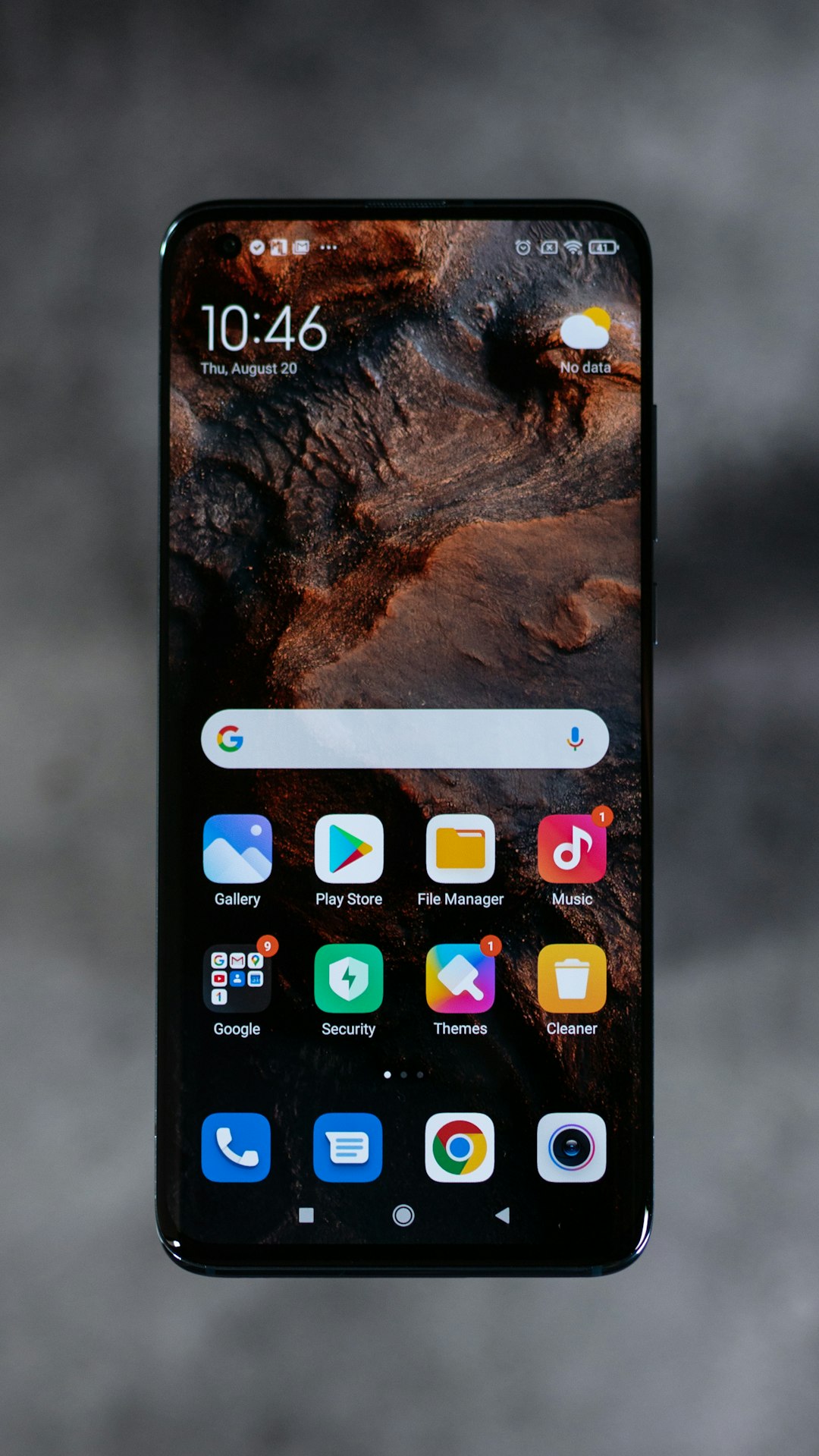
In Georgia, identifying and reporting unwanted robocalls is a critical step in mitigating the nuisance and fraud risks they pose. The state’s Spam Call law firm plays a pivotal role in this process by facilitating consumer complaints and enforcement actions against violators. Consumers can file reports with the Georgia Public Service Commission (PSC), which has jurisdiction over telemarketing practices. This commission actively investigates complaints and levies fines against companies found in violation of the state’s anti-robocall laws, offering a robust mechanism for deterrence.
To effectively report a robocall, consumers should collect essential data such as the caller’s phone number, the date and time of the call, and a detailed description of the message or interaction. Recording the call (with the caller’s consent if necessary) can provide valuable evidence. The information is then submitted through the PSC’s online complaint form or by contacting their consumer protection division directly. This process empowers consumers to take proactive measures against persistent robocallers.
Moreover, Georgia residents can leverage advanced tools offered by some phone service providers, which include automatic robocall blocking and filtering systems. These technologies are designed to identify and block calls from known spam sources, significantly reducing the volume of unwanted robocalls received. By combining these technical solutions with the legal framework provided by the Spam Call law firm Georgia, consumers can create a comprehensive strategy to combat the growing issue of robocalls.
Legal Actions Against Robocallers by Georgia Law Firms

In recent years, the proliferation of unwanted robocalls has become a significant nuisance for residents across Georgia, leading many to seek legal recourse. The state’s robust telecommunications industry and high concentration of tech companies have inadvertently contributed to this issue, making Georgia a hotspot for spam call activities. Fortunately, several law firms in Georgia have taken a proactive approach by employing legal strategies to combat these intrusive calls. These efforts not only protect consumers but also set a precedent for holding robocallers accountable under the state’s Spam Call law firm Georgia regulations.
Georgia’s telecommunications laws offer a comprehensive framework for addressing unauthorized automated telephone marketing, including robocalls. The Georgia Attorney General’s Office has played a pivotal role in enforcing these laws, issuing warnings and taking legal action against companies violating the state’s Spam Call laws. A notable example is a recent case where a local law firm successfully sued a national telemarketing company for making illegal robocalls to Georgia residents. This victory not only resulted in substantial monetary damages but also served as a deterrent to other spam call operators. Through such initiatives, the legal community in Georgia is sending a clear message: robocalling without proper consent will not be tolerated.
Practical advice for Georgia residents facing persistent robocalls involves documenting each incident, including the caller’s number and details of the messages received. Collaborating with local law firms specializing in telecommunications law can significantly enhance consumer protections. These firms possess the expertise to navigate complex legal frameworks and utilize innovative strategies to combat spam calls effectively. As technology evolves, so too will the legal landscape surrounding robocalls, making it crucial for both consumers and businesses alike to stay informed about their rights and responsibilities under Georgia’s Spam Call law firm regulations.
Effective Tools for Blocking and Managing Calls in Georgia

In Georgia, as across the nation, robocalls remain a significant nuisance, with millions of unwanted calls flooding consumers’ phones daily. However, Georgians have access to several effective tools designed to combat this growing problem. One crucial step individuals can take is registering their numbers on the National Do Not Call Registry. This federal list restricts telemarketers from calling registered numbers, offering a foundational layer of protection. Moreover, several innovative apps and services specialize in blocking spam calls specifically. For instance, applications like TrueCall or NoCall allow users to identify and block unknown callers, providing peace of mind during peak robocall seasons.
For those seeking more comprehensive solutions, Georgia residents can turn to reputable Spam Call law firms. These legal experts not only offer guidance on navigating the state’s anti-robocall laws but also provide advanced tools and strategies for blocking and managing calls. Many such firms employ sophisticated technology to filter and block spam, ensuring that only legitimate communications reach consumers’ phones. According to recent studies, adoption of these tools has led to significant reductions in robocalls received by Georgia residents, demonstrating their effectiveness.
Additionally, the Georgia Public Service Commission (PSC) plays a vital role in enforcing state laws against unwanted calls. The PSC’s Do Not Call Registry, separate from the national list, offers an additional layer of protection for Georgians. Consumers can file complaints through the PSC if they believe they’ve received unauthorized or excessive robocalls. By combining these official measures with advanced technological tools, Georgia residents can proactively manage and reduce the impact of spam calls on their daily lives.