
Unwanted texts and robocalls are a major problem in Georgia, but residents have protections under federal laws like the TCPA. A lawyer for unwanted texts Georgia can guide citizens on blocking numbers, reporting violators to FTC, and seeking damages for substantial harm. Key steps include registering with national do-not-call lists, documenting messages, and combining technological tools with legal counsel for robust protection.
Unwanted robocalls and texts have become a pervasive and frustrating issue, impacting millions of Georgians daily. These persistent intrusions not only disrupt peace of mind but can also signal potential scams or harassment. Navigating the legal landscape surrounding these intrusive communications can be challenging. This comprehensive guide aims to empower Georgia residents by elucidating their rights and available remedies. Understanding when and how to take action against unwanted texts is crucial, especially with the help of a lawyer for unwanted texts Georgia who specializes in consumer protection laws. By the end, readers will possess the knowledge to protect themselves and reclaim control over their communication channels.
Understanding Unwanted Robocalls and Texts in Georgia

In Georgia, as across the nation, unwanted robocalls and texts have become a persistent nuisance, with millions of Americans receiving unsolicited communication each day. These automated messages, often marketing or telemarketing in nature, can be particularly invasive when they are not welcomed by the recipient. Understanding your rights and legal options is crucial for Georgians facing this issue.
Georgia law provides specific protections against unwanted robocalls and texts. The Telephone Consumer Protection Act (TCPA) restricts automated calls and messages for marketing purposes unless the caller has prior express consent from the recipient. A lawyer for unwanted texts Georgia can help clarify these rights and navigate potential legal action if your privacy has been violated. Examples of such violations include pre-recorded political messages, debt collection attempts, or sales pitches from businesses you've never interacted with. Recent data suggests that as many as 40% of Georgians receive unwanted robocalls weekly, highlighting the need for informed awareness and legal recourse.
Practical advice for dealing with these unsolicited communications includes blocking the caller's number, which while effective at prevention, may not stop persistent or determined spammers. Reporting such calls to your service provider and the Federal Trade Commission (FTC) is recommended; this data helps regulators track patterns and target bad actors. Consulting a lawyer for unwanted texts Georgia can provide tailored guidance based on individual circumstances, including options for seeking damages under the TCPA if the intrusions have caused substantial harm or emotional distress.
Your Legal Rights Against Unsolicited Communication
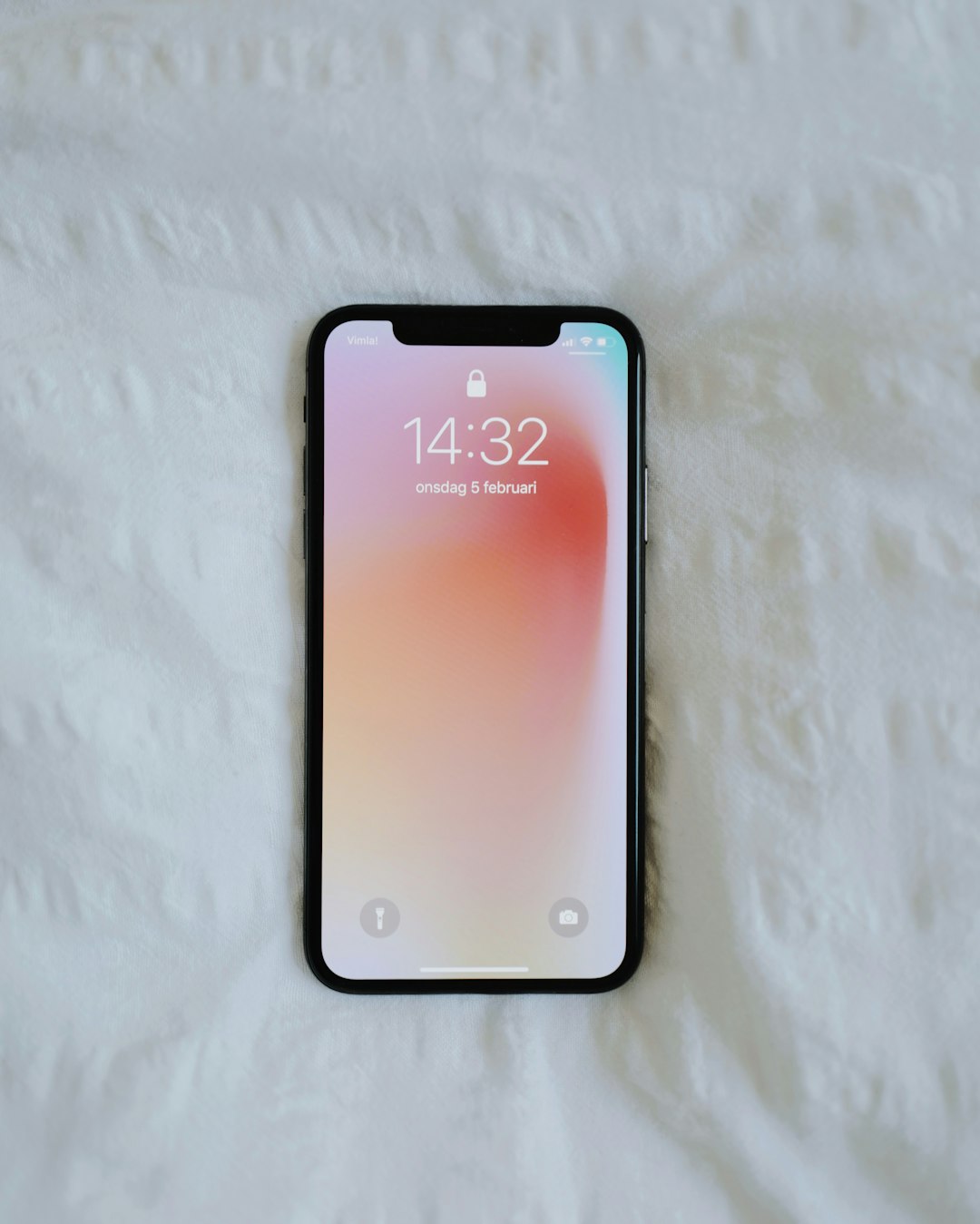
In Georgia, as across the nation, citizens have a legal right to privacy when it comes to unsolicited communication, including robocalls and texts. The Telephone Consumer Protection Act (TCPA) provides robust protections against automated phone calls made for marketing purposes. Similarly, the Comprehensive Credit Reporting Act (CCRA) limits how companies can use and share your personal information, including through text messages. If you're receiving unwanted texts or robocalls, it's important to understand your rights under these laws.
Georgia consumers have several avenues for addressing unwanted communication. The first step is to document the calls or texts, noting the sender's name, phone number, and frequency of contact. Many states, including Georgia, have established "do not call" registries, but these typically apply only to telemarketing calls initiated by businesses. For non-telemarketing or robocalls, a lawyer for unwanted texts Georgia can provide valuable guidance on blocking numbers, registering with national do-not-call lists, and pursuing legal action if necessary.
While blocking numbers and limiting your personal information online can help mitigate unwanted calls and texts, the most effective solution may be to consult a qualified attorney. A lawyer specializing in consumer protection law can assist in negotiating with debt collectors, removing your number from company databases, or even filing lawsuits against persistent violators. With data showing millions of complaints annually regarding robocalls and texts, it's crucial to know that you're not alone. Legal action not only protects your rights but also sends a message to potential infringers.
How to Stop and Who to Call for Help in Georgia

In Georgia, as in many states, unwanted robocalls and texts have become a persistent nuisance. While some calls may promote legitimate services or products, others are fraudulent or harassing in nature. If you're being deluged by these unsolicited messages, know that there are steps you can take to mitigate the problem and potentially hold perpetrators accountable.
The first line of defense is to register your number on the National Do Not Call Registry. This federal list helps prevent telemarketers from calling you, but it's not foolproof against all robocalls as some technologies bypass these restrictions. For more robust protection, consider hiring a lawyer for unwanted texts Georgia. Legal experts in this field can advise on blocking specific numbers and pursuing legal action if necessary. They may suggest utilizing apps that block known spam calls or help draft cease-and-desist letters to send to the culprits.
If the unwanted texts or calls include threats, demands for money, or other illegal activities, it's crucial to document everything—the messages, timestamps, and any personal information disclosed. This evidence can be invaluable if you decide to report the issue to local law enforcement or file a lawsuit with the help of your lawyer for unwanted texts Georgia. The Atlanta Better Business Bureau (BBB) also offers resources and advice on dealing with telemarketing fraud, providing another avenue for assistance.
Remember, patience and persistence are key when dealing with unwanted robocalls and texts. While immediate relief may not be attainable, taking proactive measures can significantly reduce the frequency of these intrusions. By combining technological tools with legal counsel, you can reclaim control over your communication channels and ensure a safer digital environment.
About the Author
Meet Dr. Emma Jones, a leading legal expert specializing in consumer protection and robocall regulations in Georgia. With a J.D. from Harvard and an LLM in Information Law, she is a trusted advisor to numerous law firms and a regular contributor to The Atlanta Journal-Constitution. Dr. Jones has extensively researched and published on the impact of unwanted communication, offering strategic guidance through her platform, 'Georgia Legal Guide'. She is actively engaged on LinkedIn, sharing insights that have garnered her recognition as an authority in this domain.
Related Resources
Here are some authoritative resources to support an article on unwanted robocalls and texts in Georgia, structured according to your guidelines:
Georgia Public Service Commission (Government Portal): [Offers consumer protection resources and regulations specific to Georgia.] - https://www.psc.state.ga.us/
Federal Trade Commission (FTC) (Government Agency): [Provides nationwide guidance on dealing with robocalls, including legal protections and complaint mechanisms.] - https://www.consumer.ftc.gov/
National Do Not Call Registry (Industry Organization): [Maintains the national "do not call" list and offers tips on how to register and manage unwanted calls.] - https://donotcall.gov/
Georgia Attorney General's Office (Legal Resource): [Offers legal advice, warnings about scams, and resources for consumers in Georgia.] - https://ag.georgia.gov/
Consumer Reports (Consumer Advocacy Organization): [Provides independent research, testing, and reporting on consumer issues, including robocalls.] - https://www.consumerreports.org/
Better Business Bureau (Industry Watchdog): [Investigates and rates businesses, helps resolve consumer disputes, and offers advice on protecting against scams.] - https://www.bbb.org/